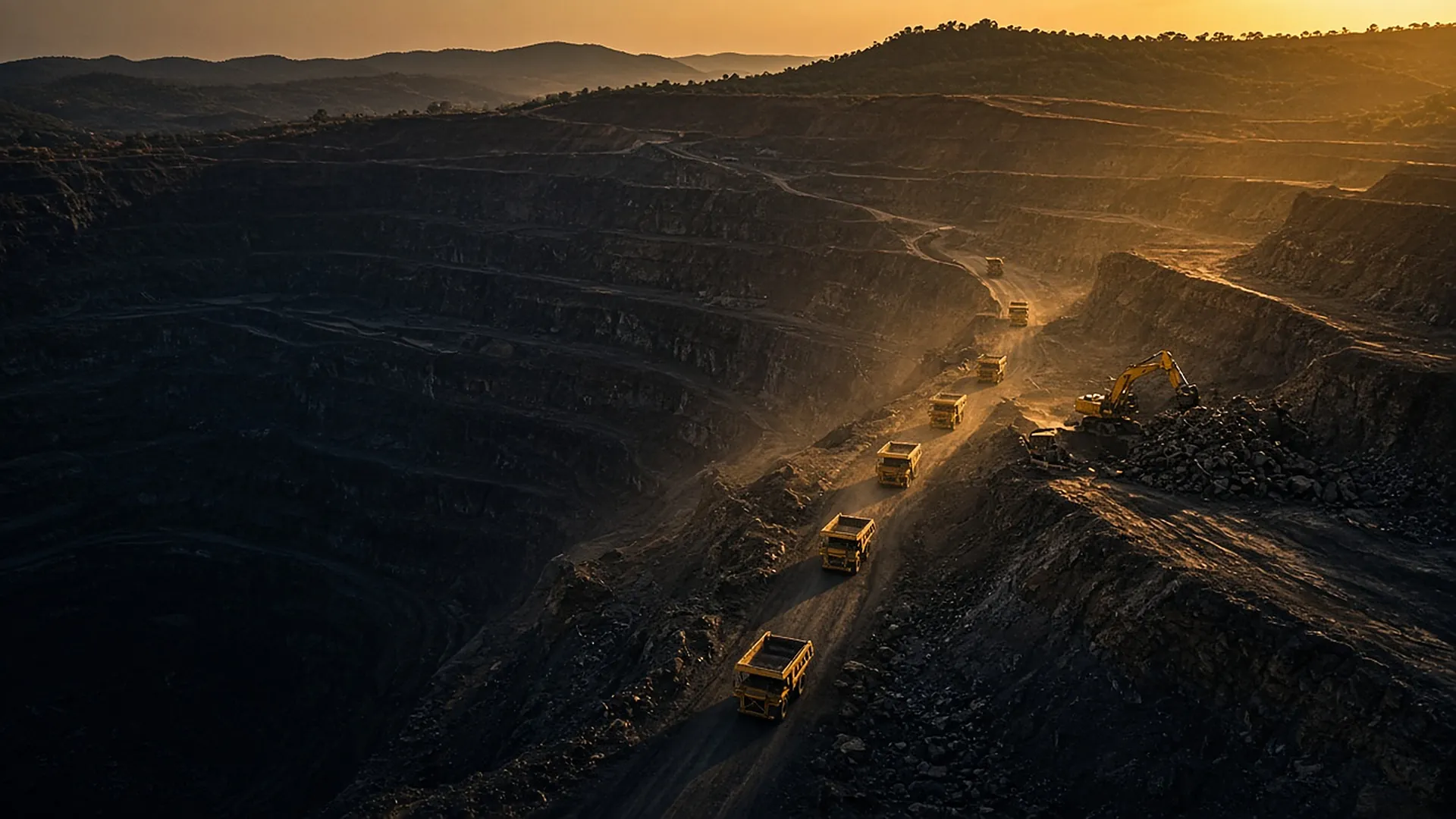
Seepage obstructs mining operations across India. Why mine water is a safety, production and cost problem, and how high-head submersible pumps with on-site support address it.
The uncontrolled flow of groundwater into mines is called seepage, and it obstructs mining operations across India. Managing it well is one of the most important, and most expensive, parts of running a mine.
Why seepage matters
- Unsafe conditions: seepage creates unsafe working conditions, leading to potential accidents and health risks for miners.
- Production delays: mines halt operations to manage water issues.
- Cost: more than 20% of a mine's operational cost is spent on dewatering processes.
- Volume: mines experience water volumes exceeding several thousand cubic metres due to seepage.
Pumps built for depth
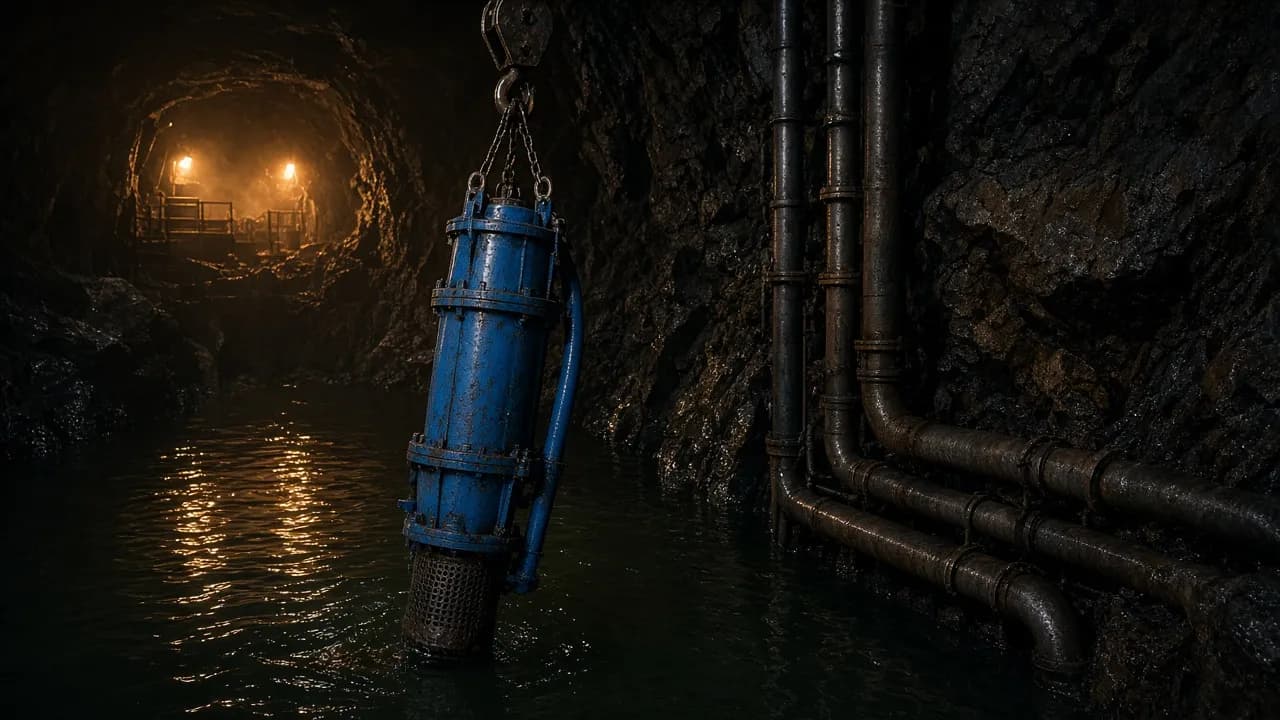
Submersible pumps are more cost-effective and safer than stage pumps, but standard units work only to 200 m. Pinnacle Innovation Pumps are 10-stage, 12-inch units in ASI B416 alloy that deliver 270 m of head at 972 gpm from a 250 hp motor, and our high-head designs reach up to 300 m.
Repair where the pump works
A failed pump can take months to return from a distant workshop. At BCCL sites in South Balihari and Bhagabandh, localised repair teams cut turnaround from 4 months to 15 days, saving 105 days of downtime, alongside 28,000 GPM of pumping capacity delivered.
At Amlabad Colliery, Pit No. 4, submersible pumping was implemented to a maximum depth of 460 m with reliable service up to 200 m.